
The Allure of Gambling: What Draws Players In
The world of casinos is designed to captivate and mesmerize potential players, creating an environment that stimulates their senses. Bright lights, engaging sounds, and the promise of a thrilling experience all serve to attract individuals seeking entertainment and excitement. The intrinsic allure of gambling stems from a combination of psychological factors, including the thrill of risk-taking and the anticipation of winning, which can create a powerful draw for many players. Additionally, many online platforms offer resources that guide users to the best online poker sites where they can further explore their interests.
Moreover, the concept of near-misses—where players almost win—can further enhance this attraction. Research suggests that near-miss experiences can lead to increased motivation to continue playing. This psychological phenomenon exploits the brain’s reward pathways, creating a sense of hope and encouraging players to return in pursuit of that elusive win. Understanding these elements of casino design can shed light on why players are so easily lured into spending time and money on these games.
The Role of Cognitive Biases in Gambling Decisions
Cognitive biases are systematic patterns of deviation from norm or rationality in judgment, and they play a significant role in the decision-making processes of gamblers. One prominent bias is the illusion of control, where players believe they can influence the outcome of a game based on their skill or strategies, despite the fact that many games are purely based on chance. This false sense of control can lead players to engage in riskier betting behavior, as they may underestimate the odds against them. Understanding these biases is crucial, especially for those who may feel uncertain about their choices.
Another common cognitive bias is the gambler’s fallacy, the belief that past events can influence future outcomes in games of chance. For instance, a player may think that after a series of losses, a win is due, which can lead to continued play and increased bets in hopes of reversing their luck. These biases highlight the intricate relationship between psychology and gambling, illustrating how players’ perceptions can skew their behavior and lead to potentially harmful gambling patterns.
The Impact of Emotions on Gambling Behavior
Emotions significantly influence gambling behavior, affecting both the decision-making process and the overall gambling experience. For many players, gambling serves as an emotional escape, providing a temporary distraction from everyday stressors and anxieties. This emotional aspect can lead to impulsive betting decisions, as players may chase losses in an attempt to recover financially or seek out the thrill they associate with previous wins. It’s essential to recognize how these feelings can affect one’s choices and actions.
In addition, the highs and lows of gambling can evoke a rollercoaster of emotions—from the exhilaration of winning to the disappointment of losing. This emotional volatility can create an addictive cycle, where the anticipation of a win keeps players engaged, despite the risks involved. Understanding the emotional dynamics at play can help illuminate why some individuals may develop problematic gambling behaviors, as they become increasingly reliant on these experiences to regulate their emotions.
The Social Dynamics of Casino Gaming
Casino environments are often social spaces where individuals can engage with others, share experiences, and even form connections over games. The social aspect of gambling can enhance the overall experience, as players celebrate wins together or commiserate over losses. This camaraderie can lead to what is known as “social gambling,” where the social interaction becomes as important, if not more so, than the actual gaming itself. In such cases, understanding social dynamics can be crucial for individual players.
Furthermore, peer influence can play a significant role in shaping gambling behavior. For some players, the encouragement or disapproval of friends can impact their willingness to gamble and the amount they wager. This social dynamic underscores the importance of understanding the collective behaviors of groups, which can lead to increased risk-taking and potentially problematic gambling among individuals who might otherwise gamble more conservatively.
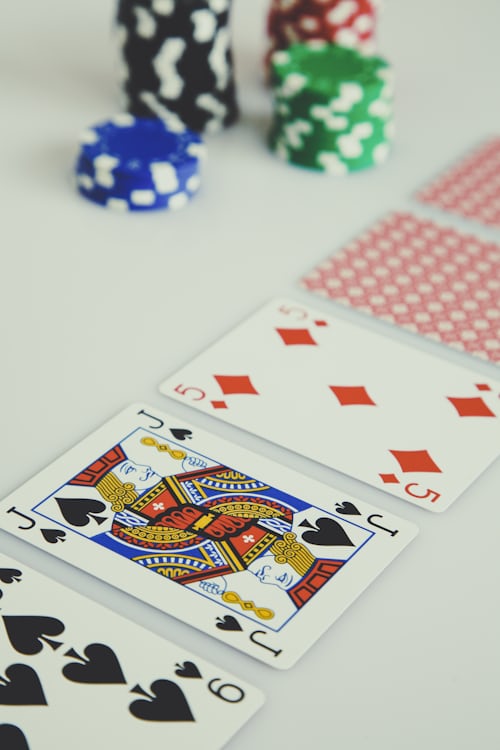
Insights from csinvesting.org on Responsible Gambling
At csinvesting.org, the focus is on providing insights not only into financial investments but also in understanding the implications of gambling behavior. The site encourages responsible gambling practices, promoting awareness of the psychological factors that can significantly impact player behavior. By educating individuals on these issues, csinvesting.org aims to empower them to make informed decisions regarding their gambling habits. It is vital to consider how these insights contribute to a broader understanding of the gambling landscape.
The goal is to foster a community where players can engage in discussions about their experiences and learn from one another, highlighting the importance of maintaining a balanced approach to gambling. Recognizing the psychological elements at play can help individuals navigate the complex landscape of casino gaming, ensuring a healthier relationship with gambling as a form of entertainment.